


The magic of Matera
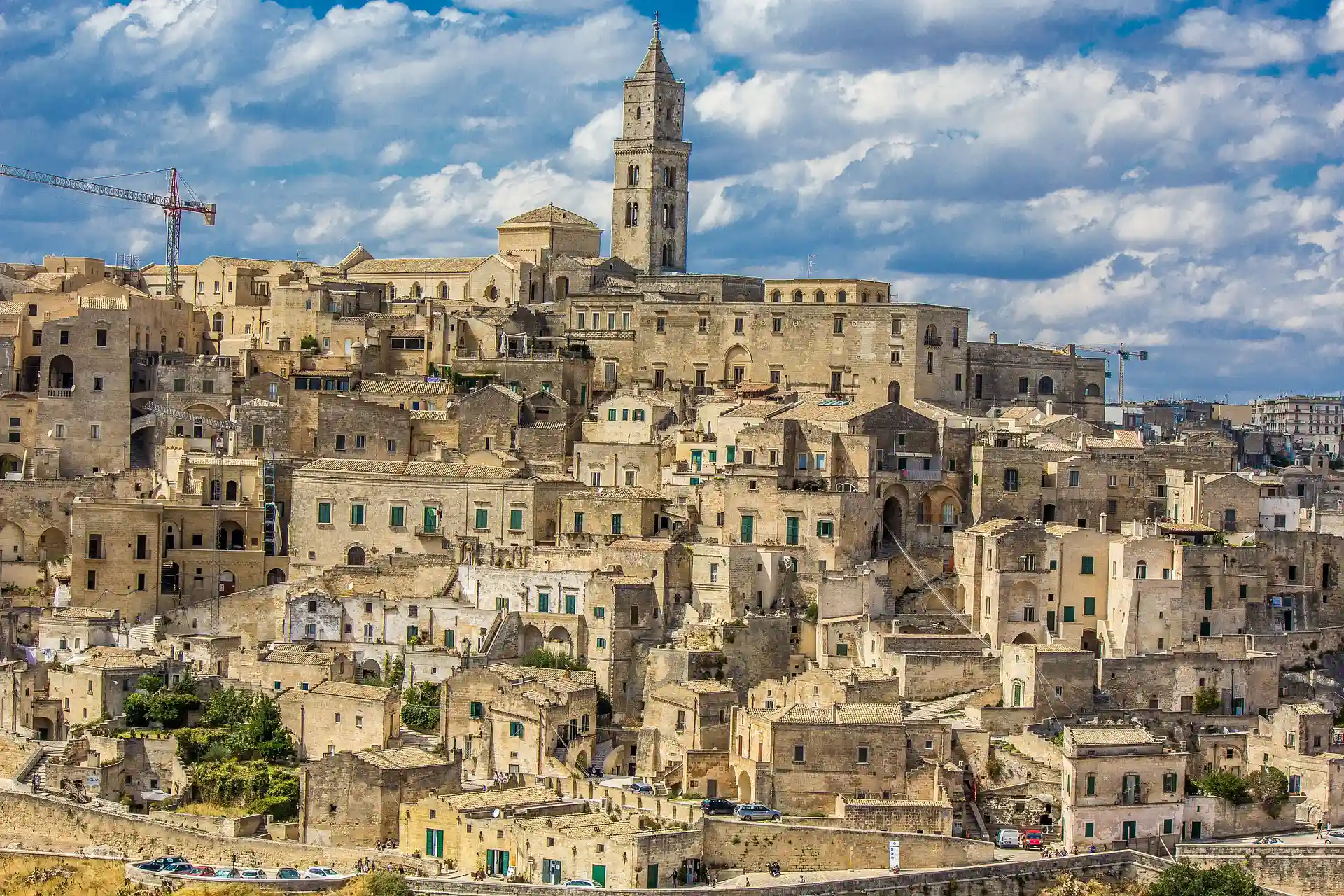
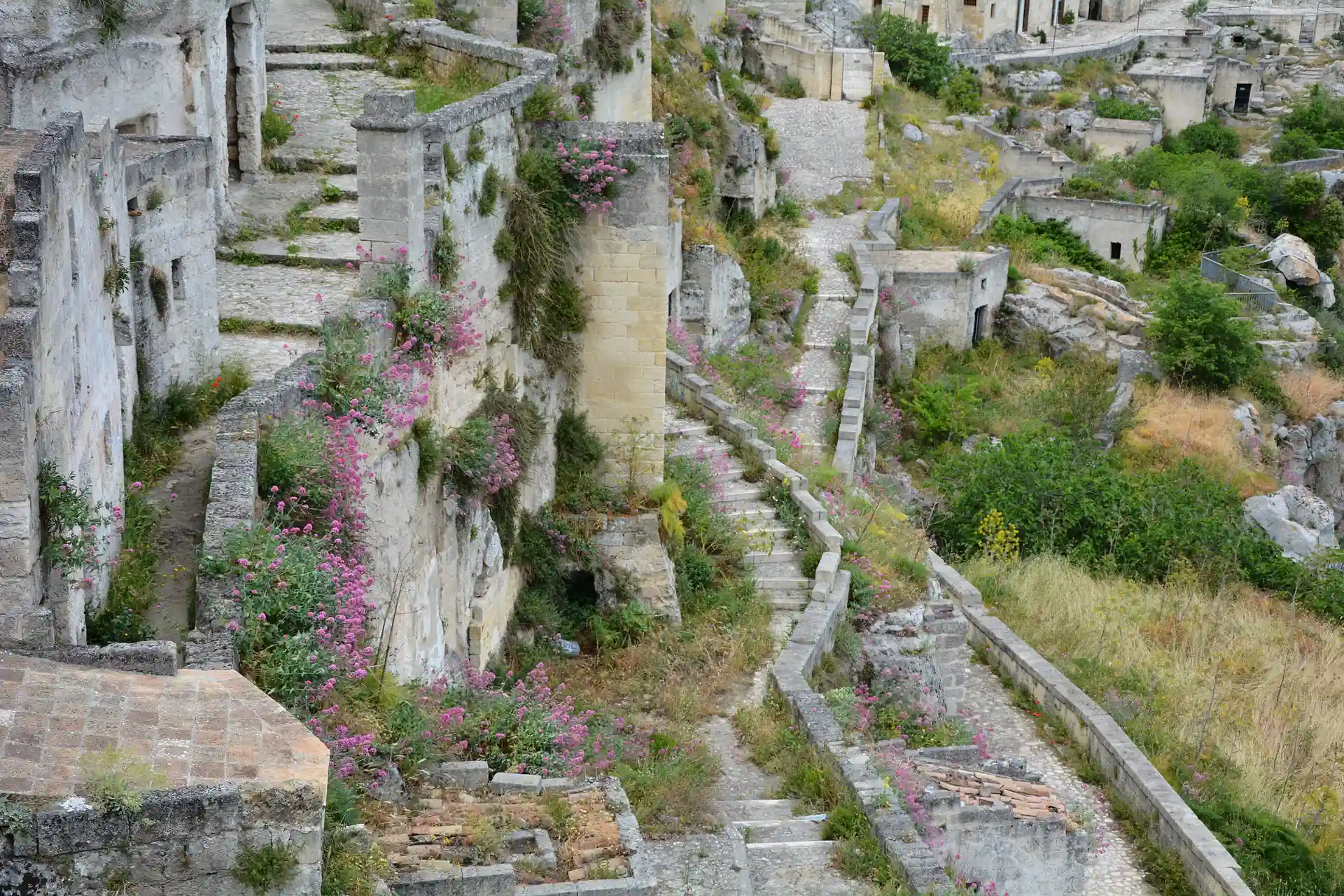
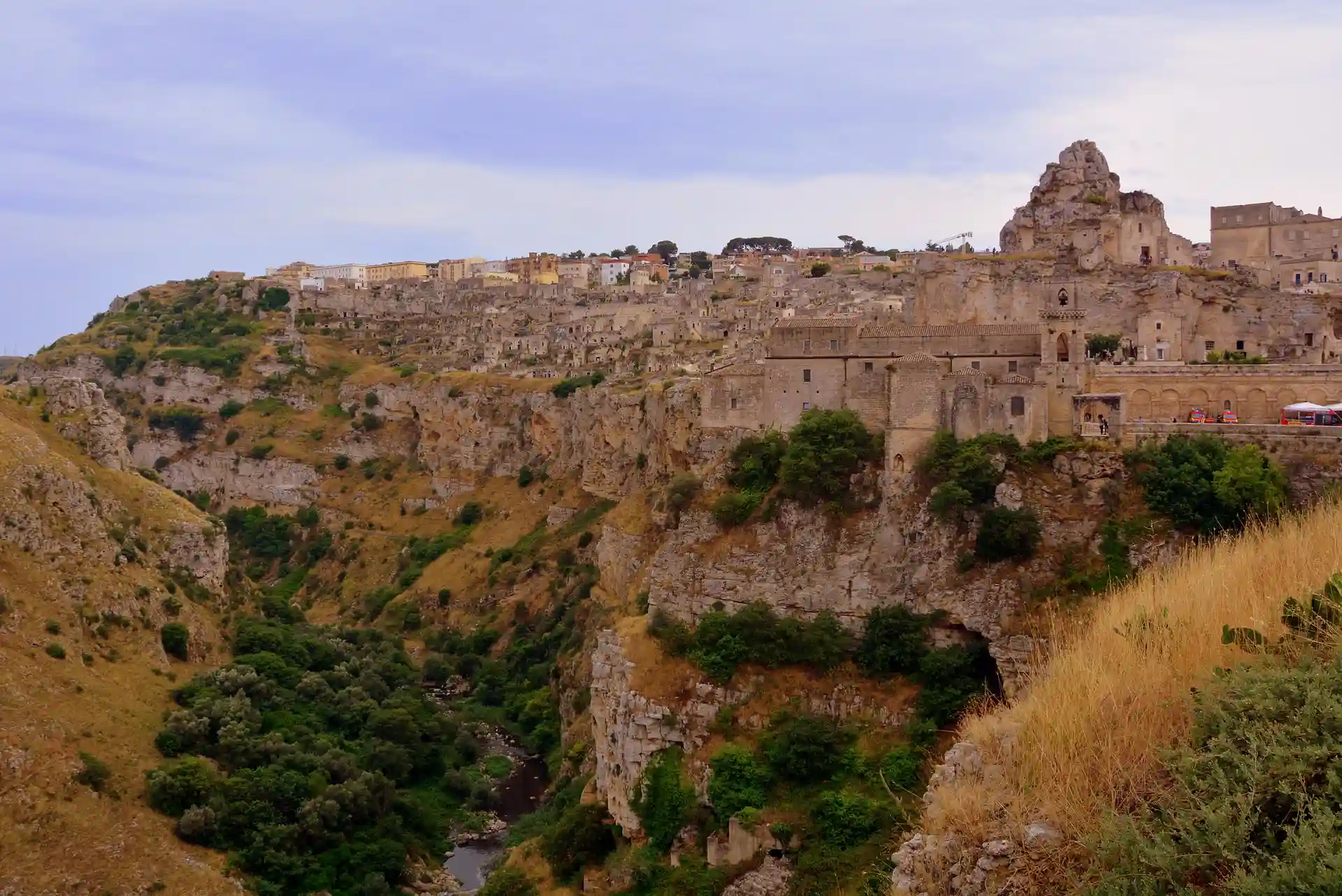
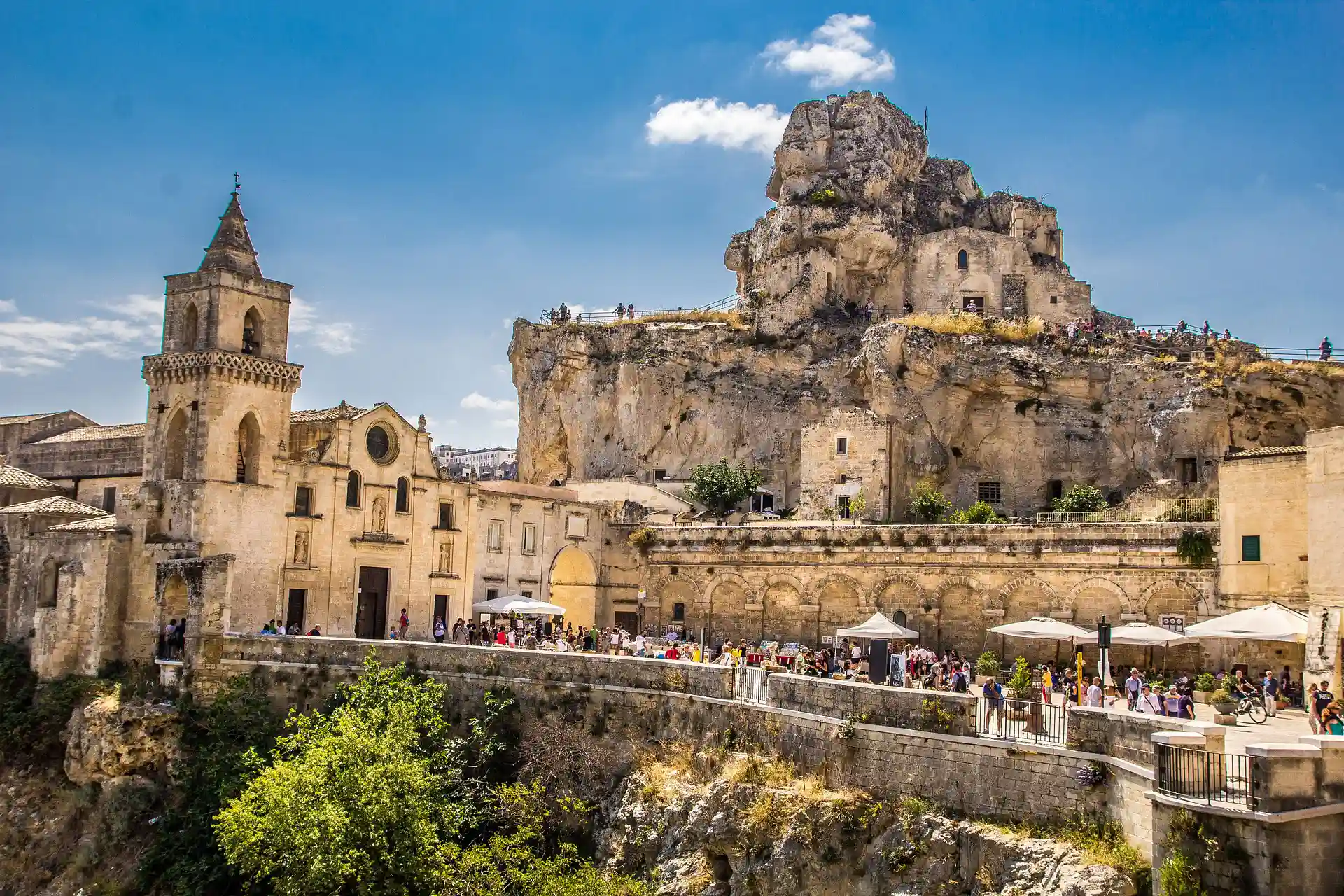
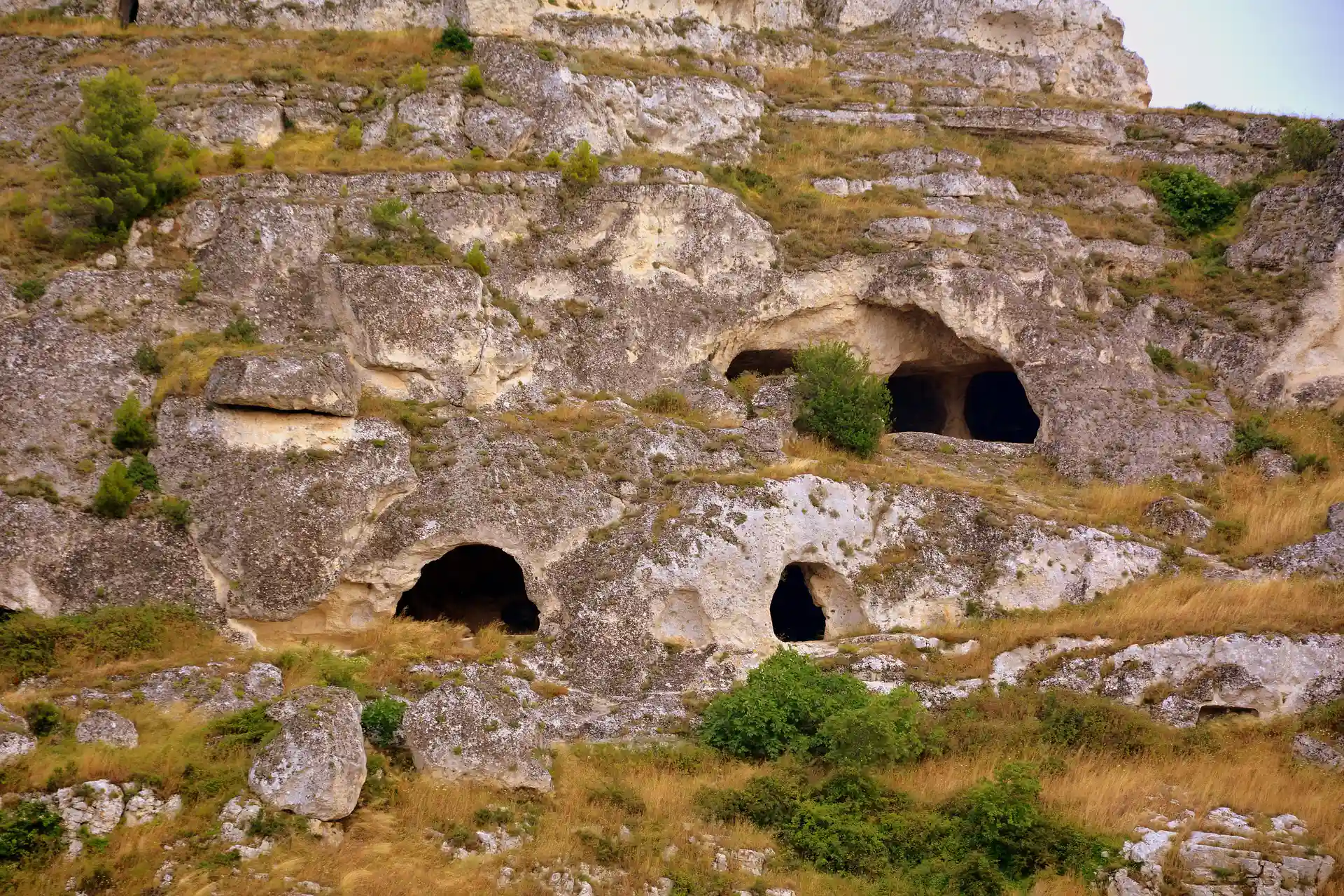
One of the oldest in the world, Matera is one of the most attractive tourist destinations in Italy and has gained international fame thanks to the famous “Sassi,” neighborhoods that grew out of prehistoric caves carved into the calcarenitic rock, probably one of the earliest human settlements in Italy.
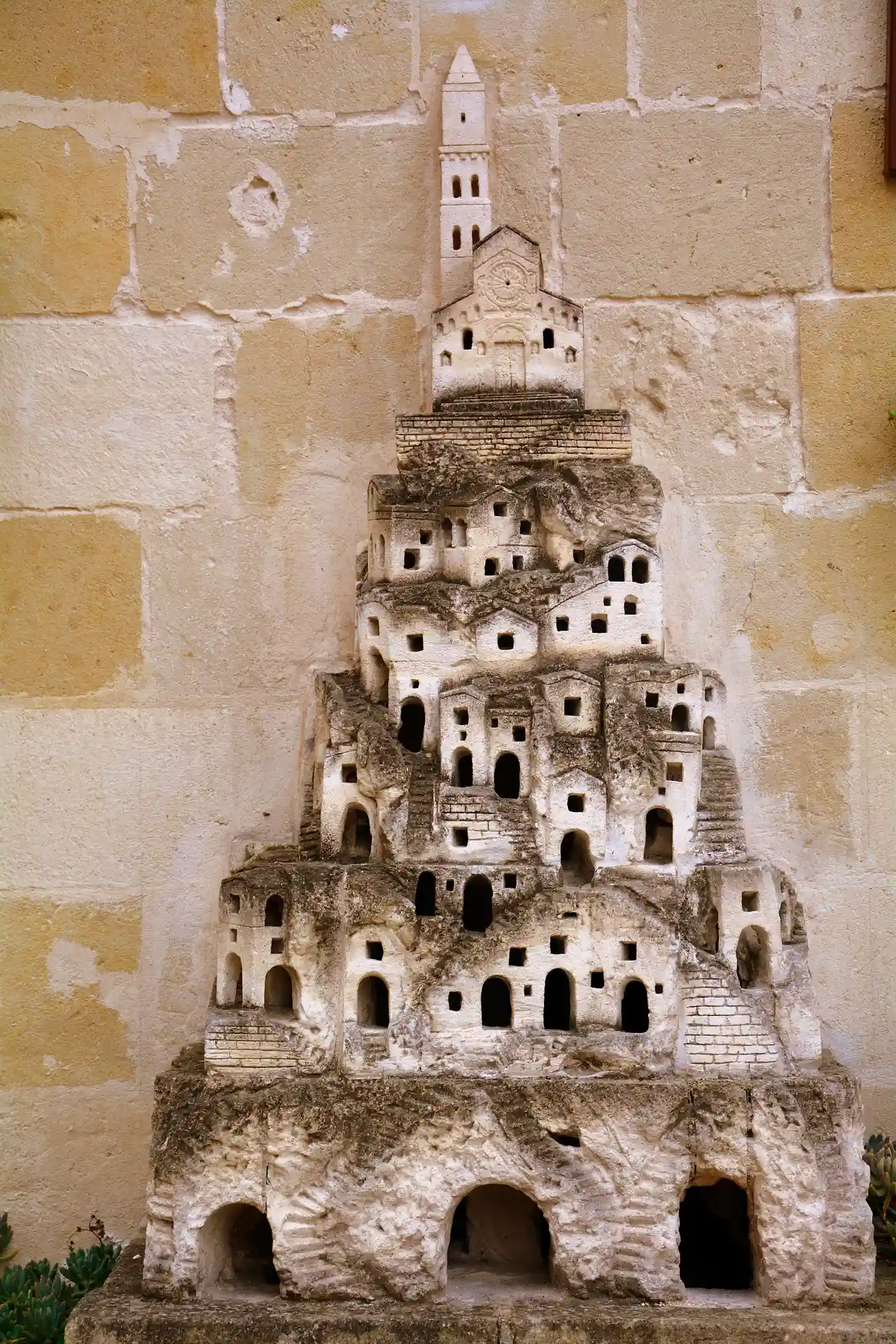
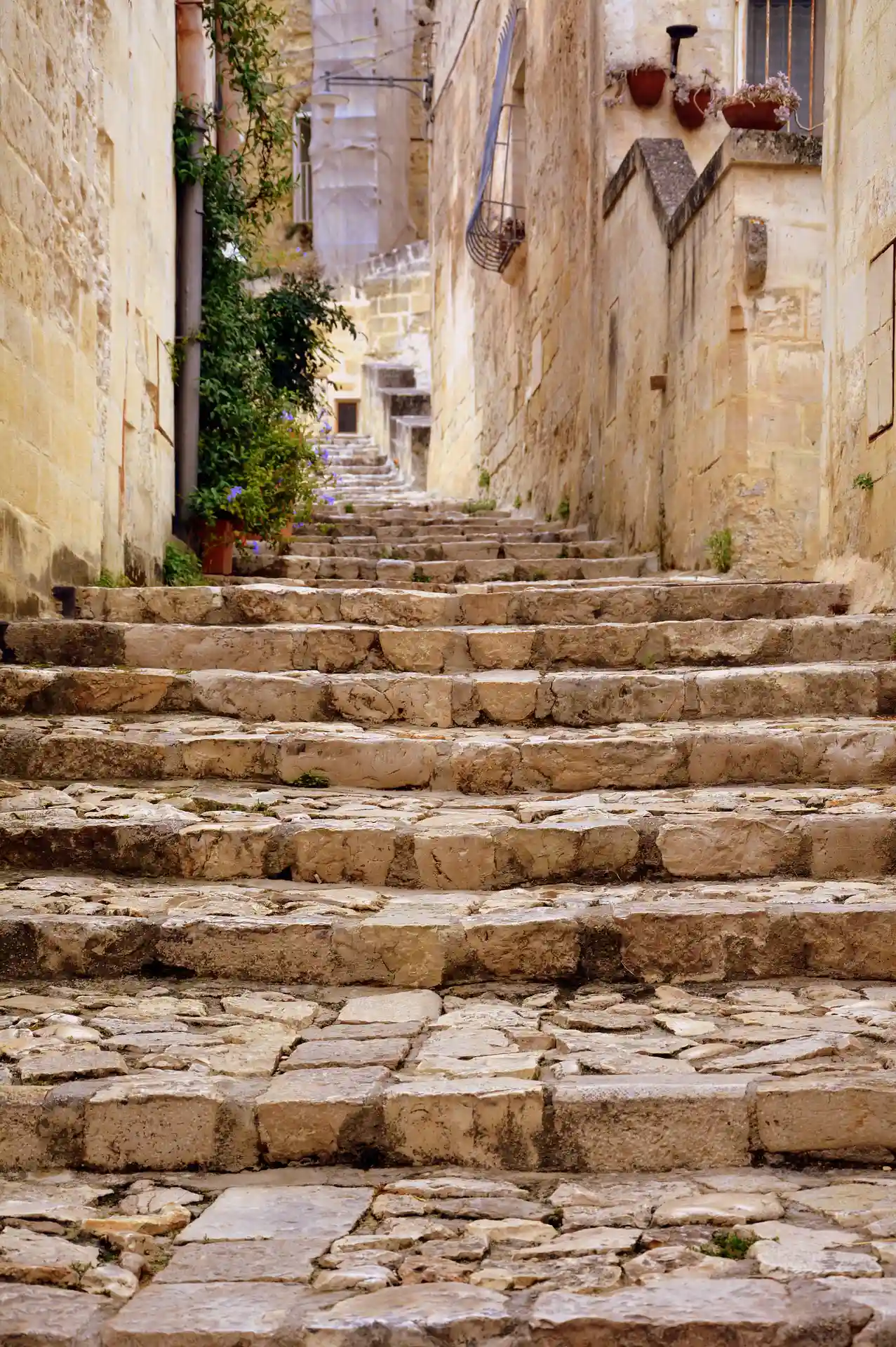
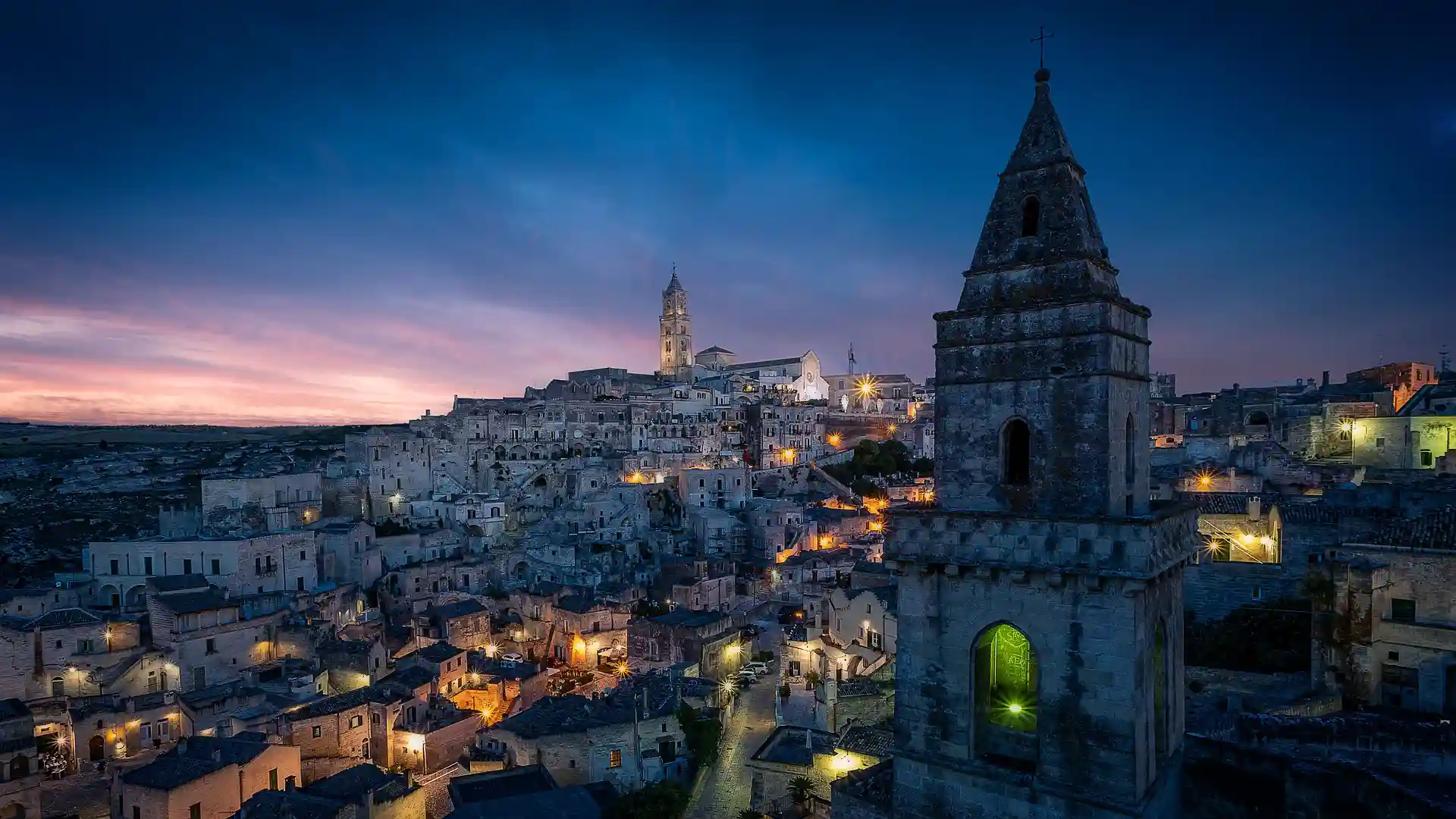
Once the heart of peasant civilization, now restored and re-balanced, the Sassi come alive and leave you breathless especially at night when the small lights of residences, artisans’ stores and restaurateurs make them look like a papier-mâché nativity scene. The Sassi are composed of two large districts: Sasso Barisano and Sasso Caveoso, divided at the center by the hill of the Civita, the oldest settlement in the Matera area, the heart of medieval urbanization. Matera over the years has become a natural set for movie colossals.
In 1993 it was named a UNESCO World Heritage Site. Today the city of the Sassi also boasts the title of European Capital of Culture for 2019.
Excursions in and around the city
Matera: rock churches, “Sassi Caveoso and Barisano,” churches of San Pietro Barisano and Sant’Agostino. D. Ridola Archaeological Museum, National Museum of Medieval and Modern Art of Basilicata (Palazzo Lanfranchi), Museum of Peasant Civilization, Museum of Contemporary Sculpture (MUSMA). The Palombaro lungo, a huge, impressive cistern, the largest in Europe, which is why Matera is a UNESCO heritage site.
Montescaglioso Km 20: Benedictine Abbey, Historical Center, Museum of Peasant Civilization.
Miglionico Km.13: Malconsiglio Castle, strategic location, built on a hill in the city from the 8th-9th centuries, known for hosting the Conjuring of the Barons in 1485.
Craco vecchia Km.55: ghost town in Basilicata, the fascination caused by the sight of it is still incredible today.
Metaponto Km. 60: the Agora, the theater and temples of Hera and Apollo Lycius; The 15 intact Doric columns of the Palatine Tables. The Antiquarium that collects the archaeological discoveries of the city, those of its territory and especially the system of agrarian divisions with the new crops introduced by the Greeks.
Alberobello Km 66: Trulli of Alberobello.
Castellana Grotte Km 60: The famous caves of Castellana.
Castelmezzano/Pietrapertosa Km 78: Pretty little villages nestled at the foot of the Lucanian Dolomites, the setting for the famous Flight of the Angel.